RECENT POSTS

Fitness Can Be Fun

Growing up, it was easy for me to be active. I started ballet classes when I was 3 years old, and by the time I was 8, I was playing soccer. All through middle school and high school, I participated in team sports—soccer, tennis, basketball, and track and field. I loved being active, so fitting exercise into my life was easy. I never saw it as a way to burn calories or to maintain my weight; exercise was just plain fun!

Fast forward to my post-college days. I started working 40 hours a week, which meant sitting behind a desk, working late nights at the office, and spending too many overindulgent happy hours with co-workers (hello, beer and nachos!). In just a few months, I gained 20 pounds.

At first, I didn’t realize that I was putting on weight. But when I had to buy a whole new wardrobe (true story!), I knew that something needed to change. I cleaned up my diet and started going to the gym more regularly. Eventually though, that new get-in-shape motivation wore off, and spending hours at the gym each week began to feel like torture. It was nothing like playing soccer after school or taking a hip-hop dance class with my friends each week.

So instead of giving up on exercise altogether, I had to find ways to incorporate it into my life and even try to make it (gasp!) fun. Here’s what I did:

I make it a priority
I no longer “squeeze in” a workout. Exercise is one of the most important items on my to-do list. I try to make some sort of activity happen every single day, no matter what it is. If I have an especially busy day, I’ll incorporate fitness into my chores. For instance, walking my dog for 45 minutes or doing an hour or two of yard work kills two birds with one stone!
tennis-fun-exercise
Getty Images

I have a flexible definition of the word “exercise”
Taking a Body Pump class or going for a 5-mile run are a couple of my favorite ways to exercise, but not all of my workouts are this “traditional.” The word “exercise” is a loose term for me. It fits a lot of activities in my life, including hiking in the mountains, taking a bike ride, playing an impromptu game of tennis with my husband, walking to the grocery store and back, or even helping friends move into a new house!

I don’t focus on the number on the scale
When it comes to exercising, I don’t let the bathroom scale dictate my workouts. My goal isn’t to fit into size zero skinny jeans, but to maintain my weight and feel good about myself. To me, being in good shape means feeling healthy and being active. Plus, the extra activity lets me enjoy dessert without guilt every day!

I remind myself that exercise is fun
It’s not always easy to psyche myself up for a workout. Just like everyone else, I am not motivated on some days and don’t feel like doing anything except sit on the couch, catching up with my DVR. Even though I’ve committed myself to fitness, I still struggle with these feelings. But now I’ve found different ways to motivate myself to exercise. I remind myself of the simple pleasures I receive from fitness. A run on the treadmill might sound boring, but to me it’s a time to myself, a time to let my mind wander. Similarly, strength training with free weights may not sound like fun. However, the anticipation of listening to the great workout playlist that I made for lifting weights makes me look forward to my session. It all comes down to making exercise fun!

How to Eat Healthy Without Breaking the Bank


A lot of people think that you have to pay top dollar for quality foods. But part of maintaining my Feel Great Weight has been about learning to eat healthy without breaking the bank.

I try to get the most nutrition for the least amount of money. So my kitchen is stocked with good food, but my wallet isn’t empty. Here are my favorite low-cost (and low-calorie!) picks at the grocery store and my favorite ways to use them.

Rolled oats
Rolled oats are a complex carbohydrate. They are high in fiber, cost less than a dollar per serving, and make a filling and hearty breakfast (or snack) that keeps me going all morning long.

Serving suggestions: For breakfast, add fruit, nuts, or peanut butter to oats, or bake Oatmeal Raisin Bars for dessert. When I’m really in the mood for a treat, I’ll whip up a 3-Minute Oatmeal Raisin Cookie.
apple-carbs-
Getty Images

Apples
Apples are one of my favorite snacks. You can find them anywhere, they travel well, they naturally come in a single serving, and, best of all, they taste delicious!

Serving suggestions: You can eat them plain or sliced and dipped into honey yogurt, or as dessert in an easy Apple Crisp.

Eggs
For around $2, you can get a dozen eggs, which makes them one of the cheapest sources of protein available. Eggs are also a very versatile food. They make a great whole-wheat toast for breakfast, a perfect egg salad sandwich for lunch, or a filling veggie frittata for dinner.

Serving suggestions: I’m a big fan of this Tortilla-Crusted Feta-and-Broccoli Quiche or this Polenta Breakfast Pizza.

Whole-Grain Pasta
This pasta is a staple in our house because it always makes a quick-and-easy healthy meal. It has more fiber than regular pasta, so I feel full faster, and I’m not tempted to eat a second helping.

Serving suggestions: Try these hearty noodles in a Pasta Salad With Tomatoes, Arugula and Feta or a gooey Marconi and Cheese With Cauliflower.

Bananas
I eat a banana almost every day of the week. Hence, it’s important that they are affordable. My local grocery store charges $0.49 per pound, so I can get a whole bunch for just a couple of dollars. Bananas are high in potassium and fiber, so they’re a no-brainer as a food choice!

Serving suggestions: Eat ‘em sliced and topped with a tablespoon of peanut butter, in smoothies, or with oats in this Baked Banana Oatmeal. You can also add them to a treat like Banana Oatmeal Chocolate Chip Cookies to up the health factor.

Canned beans
I always get my money’s worth with beans! They’re a great source of meatless protein, as well as fiber and iron. Plus, the varieties are endless—chickpeas, black, pinto, navy, kidney—it’s difficult to get tired of them!

Serving suggestions: Use them in salads, or mix with pasta or rice, or even in your own homemade hummus. You can prepare them as a side, like in this recipe for Seared Scallops With White Beans and Bacon.

Foods That Fight Fat


Want to get more bang for your bite? These foods do double duty—they help you blast fat and make you feel full longer, so you'll eat fewer calories.

Eggs
78 calories each
An egg's not only a nutritional powerhouse, it's also loaded with protein that satisfies. Eat eggs for breakfast; they'll curb your appetite enough that you'll have about 330 calories less than usual throughout the rest of the day. (Take our quiz to find out more about eggs.]

Bonus tip: For a healthy fried egg, brush a nonstick skillet with a smidge of oil or cooking spray. You'll get crispy edges without much fat.

One Week to a Slimmer You: Focus on the Little Things

When it comes to losing weight, the little things add up—trying just one new thing every day can quickly make a big difference. With that in mind, we’ve taken science’s best weight-loss strategies and created a week’s worth of slimming to-do’s.

Sunday: Shoot it, and shed pounds.
Studies show that recording meals may help you lose up to 5% of your weight, says Robert A. Carels, PhD, an associate professor in the psychology department at Bowling Green State University. Start today: Snap before and after photos of each meal with your camera phone. Keeping a visual food diary is a more accurate way to see what and how much you’re eating, United Kingdom researchers say. Afterward, download the pics so you’ll have a record.

Monday: Pop a vitamin to kill hunger.
Taking a daily multivitamin may make you less hungry, two studies in the British Journal of Nutrition suggest; people who take one tend to weigh less and have lower BMIs.

Start today: Pop a multi with at least 100% of the RDA for vitamins included in the studies: chromium, copper, folic acid, iodine, manganese, molybdenum, niacin, pantothenic acid, riboflavin, thiamin, vitamins B6 and B12, and zinc.

Tuesday: Speed up to burn more calories.
Strength-training circuit-style torches more calories than the traditional way, says Jim Stoppani, PhD, author of the Encyclopedia of Muscle and Strength. Research shows that the shorter the rest period between sets, the more calories you blast off. “In addition,” Stoppani says, “doing a whole-body workout employs more muscle, which in turn burns more fat.”

Start today: Turn your usual strength-training routine into a circuit by doing one set of 15 reps for each exercise with no rest in between; wait 20 seconds and repeat the circuit twice.

Wednesday: Triple your C and burn more fat.
Regularly consuming 500 milligrams or more of vitamin C may help you burn 30% more fat while working out, according to research in the Journal of the American College of Nutrition.

Start today: Eat at least three servings of vitamin C–rich whole foods like citrus fruits, broccoli, and cantaloupe. Try this to knock a couple servings off: “Pack a vitamin C–rich, easy-to-transport snack, such as a mix of baby carrots, sugar snap peas, and cherry tomatoes,” suggests Debra Wein, RD, the president of Wellness Workdays, in Hingham, Mass.

Thursday: Have a gab session and drop pounds faster.
Not only can an exercise buddy help you show up for your workouts, but she can also help you melt fat faster too, says Tim Lohman, PhD, a professor emeritus at the University of Arizona, in Tucson, and an expert on the connection between exercise and body composition.

Start today: Create your own weight-loss network. “The buddy system works best when you can turn to someone you’re already friends with,” Lohman says. Meet at least once a week (even if it’s in cyberspace) to discuss obstacles and celebrate successes.

Friday: Color yourself slim.
An apple a day will do more than keep the doctor away—it’ll keep pounds off too. Filling up with a range of fruits and vegetables is an easy way to cut your calorie load, a recent study in the American Journal of Clinical Nutrition suggests.

Start today: “Follow the rainbow,” Wein suggests. “Do your best to eat from all of the color groups during the day.” Add blueberries to your cereal, snack on apples, and load your lunchtime salad with carrots, tomatoes, and peppers.

Saturday: Inhale and conquer cravings.
When we’re stressed we tend to look for quick-fix calories. “Yogic breathing offsets this. When you’re relaxed, you don’t have as much hunger pain,” says Ralph LaForge, an exercise physiologist in the endocrine department of the Duke University Medical Center. “People make better food choices when they’re relaxed.”

Start today: When hunger strikes, try this exercise from Kristen Eykel, creator of the DVD series, Yoga Emergency: The 12-Minute Workout. Rest your right thumb near your right nostril, ring finger and pinky by your left nostril. Close the left side and inhale through the right for four counts, then close your right nostril and hold for four counts. Open your left nostril and exhale through that side for four counts. Repeat cycle again on other side; continue alternating for at least a minute. You’ll relax in no time—and may even forget about that cookie you longed for.

16 Tips to Looking + Feeling Great

Do you want to improve the quality of your life? Do you want to look and feel better than you have in years ? maybe better than you ever have before? Do you want to protect yourself from disease and injury? And do you want to live a longer, more vital life?

I?m confident that you answered YES! to each of those questions, just as the hundreds of individuals I?ve counseled, coached, and trained in my career as a Certified Personal Fitness Trainer and Rehabilitation Specialist.

I?m now going to reveal to you the 16 essential strategies that have enabled my clients to achieve the health and fitness goals they always wanted!

16 Essential Weight Loss and Fitness Strategies

1. In the beginning, your fitness program should not be overly aggressive. One of the biggest problems people encounter when starting a fitness program is rapidly depleted motivation after only a few weeks due to an overly ambitious fitness program. Attempting to do too much too fast is worse than doing nothing at all! Because then you feel like exercise is too hard and it?s just not for you.

Start out slow, maybe just shooting for 1 or 2 workouts a week. Once you have successfully added that to your normal routine, then attempt to slowly add to your fitness program. Plus, most people don?t need to exercise more than 3-4 times a week. That doesn?t mean you can?t exercise more; it?s just not necessary.

2. Always have a detailed plan! In order to reach your health and fitness goals, you must have a road map to follow. I can?t stress this enough. If you are unsure of how to put together a fitness plan, or if you?re uncertain of the effectiveness of the one you have, I highly recommend you consult a professional fitness trainer. With a well thought out plan you are much more likely to be successful!

3. Set realistic, attainable goals. You must have tangible, quantifiable, short and long-term goals so you can measure and assess your progress. Too many people have totally unrealistic expectations of what to expect from an exercise and nutrition program. The best way for you to understand what is realistic and attainable is to talk with a fitness professional ? not to buy into the ?hype? of infomercials and diet and fitness products that are blatantly misleading.


4. Keep a journal! This is one of the most important things you can do. If you?re not tracking what you?re doing, how will you know what worked? There are quite a few great exercise and nutrition logs I?ve come across. You should keep track of all your exercise and also each day?s food intake.

There?s a company called NutraBiotics that makes a great 90-day journal that can be used to track strength training, cardiovascular exercise, and daily nutrition. If you would like more information on this journal, please feel free to call me at 240-731-3724.

5. You must be accountable! Set exercise appointments with yourself if you?re not working with a personal fitness trainer. Use your appointment book to set aside times for exercise, just like you do for meetings or events. Don?t let things get in the way. Nothing is more important than your health! If you don?t have your health you can?t effectively do anything. I often have mothers tell me that they can?t find time to exercise because they have to take care of their children. I have 4 daughters myself, and a baby on the way, so I know exactly how hard it is. Whatever your situation is, making the commitment to exercise and your health IS possible, and very important. Plus, it sets a great example for the children!

6. Remember the benefits of exercise. Being physically fit affects every aspect of your life: you sleep better, eat better, love better, overcome stress better, work better, communicate better, and live better! Remember how good it feels to finish a workout, and how great it feels to meet your goals!

7. Exercise safely and correctly. So much time is wasted doing, at best, unproductive exercise, or at worst, dangerous exercise. Educate yourself on how to exercise correctly. The best way to do that is to hire a personal fitness trainer. It could be for just a few sessions to learn the basics, or it could be for a few months to learn everything. It?s completely up to you. But statistics prove that those who understand how to exercise correctly get better, faster results. And that?s what you want, right?

8. Enjoy your exercise! For example, if you hate doing strength training, try to find ways to make it more enjoyable. Circuit training might be a more fun and exciting way to fit this important part of fitness into your program. The key is you should enjoy it, and if you don?t you need to look for other exercises or activities to replace whatever it is you don?t enjoy.

If you don?t enjoy it, how do you expect to stick with it?

9. Make time to stretch! It has so much benefit and takes very little time. So many people suffer from various aches and pains of which most can be eliminated by basic stretches! Try to spend at least 5 minutes after each workout stretching. For more information on stretching and how it eliminates aches and pains, please call 240-731-3724 to request a FREE copy of my special report ?No More Back Pain?.

10. Don?t think you need to exercise 5 days a week! I touched on this earlier. Many people feel they?re getting fat because they?re not exercising. Totally not the case! Exercise is not the answer! It?s all in your eating habits. However, exercise can aid in burning body fat, plus there are numerous health benefits. Think of exercise as a bonus.

How many people do you know who exercise 3-5 times per week, but still fail to meet their weight loss and fitness goals? I?ve met hundreds!

First look at your eating habits, such as: when you eat, what you eat, how much you eat, where you eat, and how often you eat.

11. Never skip breakfast, or any meal! If you want to maximize your fitness or fat-loss efforts you?ve got to eat breakfast! So many people skip breakfast, and it?s the worst thing you could ever do when it comes to fat-loss. Skipping meals throws your blood sugar all out of whack and it sets you up to store your next meal as fat, almost guaranteed!

12. Eat fat to lose fat. Healthy fats are necessary to your body for numerous reasons: regulating hormonal production, improving immune function, lowering total cholesterol, and providing the basics for healthy hair, nails, and skin.

The key is to eat the right types of fats. The ?good? fats are monounsaturated and polyunsaturated fats like olive oil, canola oil, sunflower oil, safflower oil, and avocados, to name a few. The ?bad? fats are partially hydrogenated oils, and trans fats. Most processed foods contain large amounts of these bad fats. For more information on the different types of fats, please call 240-731-3724 to request a FREE copy of my Healthy Eating Guidelines.

13. Drink plenty of fresh, clean water. Yes, I know that you have probably heard this one over and over again. But there?s a reason for that ? it?s that important! The recommended daily intake of water is 8 glasses, or 64 oz. You should even be drinking even more if you are active or exercise regularly.

And no, soda, juice, coffee, and tea DON?T count! Nearly every chemical process place in your body, takes place in water! Proper blood flow and digestion are both affected by how much water you drink, and poor blood flow and digestion can be linked to numerous health conditions.

14. Stabilize your blood sugar! If you want to burn fat and prevent your body from putting it back on, you must stabilize your blood sugar. In order to do this you need to eat small, balanced meals or snacks every 2-3 hours.

Fasting, skipping meals, and overly restrictive diets will enable you to lose weight ? in the short run. The weight you lose is primarily water weight and muscle tissue, and in the long run has opposite effect of what you want. When you restrict your diet, your body instinctively thinks it?s being starved and shifts into a protective mode by slowing down the metabolism and storing nearly all calories as body fat. Plus, losing muscle tissue is the last thing you want to do. Muscle burns calories, even while you sleep. You should be focused on increasing, or at least maintaining muscle tissue.

15. Focus on increasing muscle tissue. As I mentioned previously, muscle burns calories, so if you want to increase your metabolism, you have to increase your muscle. The best way to do that is with progressive strength training. That doesn?t mean you have to join a gym, buy expensive fitness equipment, or follow some bodybuilding workout program; it simply means you need to challenge your muscles! You can do that at home in just 15-20 minutes, 2-3 times a week.

16. Get the help of an expert! Obviously, meeting your health and fitness goals is important to you, so why not eliminate the guesswork and start seeing the results you have always wanted? With the help of a qualified professional you can!

If your car breaks down, where do you take it? Mechanic, right? How about if you have a cavity? Dentist. So why is it that so many people attempt to solve their health and fitness problems without consulting an expert? I don?t know exactly, but I encourage you to make the investment in yourself- in your life- by hiring a professional to educate you and help you meet your goals.

So there you have it. The 16 essential strategies for an effective weight loss and fitness program that will have you looking and feeling great!

Add Juicing Benefits To Natural, Healthy Weight Loss

If a healthy diet and nutrition program is uppermost on your list of priorities, you will soon discover that juicing for weight loss is the optimal option. So much so, that water fasts will hopefully gradually be phased out. However, don't expect the colorful nutrient-rich juice flowing from a vegetable juicer to magically melt away the pounds on its own. You will unfortunately still need to get off that couch and rev up your metabolism with some form of activity...

While it will be helpful to focus on juicing for natural weight loss, making juicing for health your aim will soon have the health benefits stacking up. You need to make a commitment to incorporate juicing for weight loss into a health style change, a healthy, sensible nutrition program you can stick to for life, and new thinking patterns. Do this, and you will soon see a vibrant, svelte, confident, and happy self in the mirror.

Pesticides in your peaches

fruit, peaches, pesticides, organic
Pesticides in your peaches: Tribune and USDA studies find pesticides, some in excess of EPA rules, in the fragrant fruit.

Yet more evidence supporting the logic in extra costs of Organic produce

Preliminary 2008 U.S. Department of Agriculture tests obtained by the Chicago Tribune show that more than 50 pesticide compounds showed up on domestic and imported peaches headed for U.S. stores. Five of the compounds exceeded the limits set by the Environmental Protection Agency, and six of the pesticide compounds present are not approved for use on peaches in the United States.

These are the types of findings that have landed peaches on one environmental group's "Dirty Dozen" list -- 12 fruits and vegetables that retain the highest levels of pesticide residues -- and give many consumers pause as they shop grocery aisles. It seems that peaches' delicate constitutions, fuzzy skins and susceptibility to mold and pests cause them to both need and retain pesticides at impressive rates.

Although some pesticides in peaches were found at levels well below EPA tolerances, some scientists and activists remain concerned about even low-level exposure, especially to pregnant women and children. They point to studies, for example, that show cognitive impairment after dietary exposure to chlorpyfiros, a pesticide that showed up in 17 percent of conventional peaches tested by the USDA.

BBC Panorama - The hunt for healthy food for children

BBC News - Panorama - The hunt for healthy food for children

 Panorama - Children's food expose Tremendous expose of children's food and tricks currently being used to dupe parents.

Cow & Gates excuse for the high sugar in their follow on milk was a study that showed high protein children's diets lead to obesity.

However what the study actually reveals is that too much meat and dairy can lead to obesity and certainly NOT that sugar is better than fat and protein!

The study from the Research Institute of Child Nutrition revealed

The ages of 12 months and 5-6 y were identified as critical ages at which higher total and animal, but not vegetable, protein intakes were positively related to later body fatness.

Forks Over Knives – The Official Movie Website

Forks Over Knives – The Official Movie Website

This could be the one. There's been lots of films in the last few years trying to tackle the issues surrounding the epidemic of Chronic Disease in the West that is now starting to take hold in the far East. Most of them have been a little too earnest for general consumption, too many excuses for Doctors to be dismissive.

This film could be different.

Here we have a clinician and a scientist jointly presenting their evidence to argue that heart disease, cancer and diabetes is more a choice than an inheritance.

The problem is how to get those most in need to realise they have a choice for optimum health.

Better diet and health is not profitable enough for global corporations - there will be no Pharmaceutical company investing millions of Dollars of PR, advertising and Lobbyists' time on this National Health Care, Welfare and Health Insurance Solution.

Lack of sleep could be more dangerous for women than men

Lack of sleep could be more dangerous for women than men

sleeping woman - women who have more sleep are healthier Research by the University of Warwick and University College London has found that levels of inflammatory markers vary significantly with sleep duration in women, but not men.

The study, published in the American journal SLEEP, found levels of Interleukin-6 (IL-6), a marker related to coronary heart disease, were significantly lower in women who reported sleeping eight hours as compared with 7hours.

A second marker, High-sensitivity C-reactive protein (hs-CRP), is predictive of future cardiovascular morbidity. Levels of hs-CRP were significantly higher in women who reported sleeping five hours or less.

Lead author of the study, Associate Professor of Biochemical Medicine at Warwick Medical School Michelle Miller said short-term sleep deprivation studies have shown that inflammatory markers are elevated in sleep-deprived individuals, suggesting that inflammatory mechanisms may play a role in the cardiovascular risk associated with sleep deprivation.

She said: “Our study may provide some insight into a potential mechanism for the observation in previous studies which indicates an increased risk of death from cardiovascular disease in individuals who have less than five hours sleep per night.”

The study involved more than 4,600 white participants from the University College London-based Whitehall II cohort study; 73% were men. Participants between the ages of 35 and 55 years were recruited between 1985 and 1988 from 20 London-based civil service departments. Data for this study is from the phase 3 follow-up (1991-1993). Sleep duration was determined by subjective questionnaires, and general health was assessed during a screening examination.

Female drivers are skipping meals, driving on an empty stomach

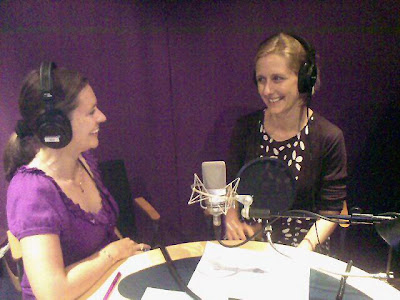
yvonne nutritionist, Niki Sheilas wheels talking healthy diets for safer drivers on UK radio
Female drivers are skipping meals and driving on an empty stomach | Sheilas' Wheels

Can a better diet help your concentration and mood? Nutritionist, London Yvonne Bishop-Weston says "yes"
Yvonne is on the Radio today talking about how better nutrition can help you be a safer more considerate driver.

Organic Foods - TheTruth on Health

organic food- truth about health and the Food Standards Agency ReportSoil Association response to the Food Standards Agency's Organic Review
I'm still at a loss at how the FSA reached their decision when you read their report carefully, despite the biased nature of the report, it still manages to identify major benefits of organic foods.

Obviously a major concern amongst consumers buying organic is to avoid xenoestrogens, toxins and other potential residue contaminants in conventional crops

The FoodStandard's Agency study on Organic Foods admits

1. This review does not address contaminant content (such as herbicide, pesticide and fungicide residues) of organically and conventionally produced foodstuffs.

It is well proven that (most probably due to modern conventional farming and harvesting methods) average nutrient levels in food have reduced in recent years. It's suspected that the McCance and Widdowson data that nutritionists use could be hopelessly out of date for use as a therapeutic tool. Despite this studies as early as 1958 have been used by the FSA in the meta study.

The FSA study on Organic Food admits

2. Based on 162 relevant articles published, in peer-reviewed journals since 1st January 1958

The FSA meta study did find differences in important nutrient values The FSA study on Organic Food admits

3. Significant differences in content between organically and conventionally produced crops were found in some minerals (nitrogen higher in conventional crops; magnesium and zinc higher in organic crops),phytochemicals (phenolic compounds and flavonoids higher in organic crops)

London Nutritionist Yvonne Bishop-Weston says "We have many clients in clinic displaying symptoms of magnesium deficiency and Zinc is very important for helping with infertility problems which are on the increase. It's been shown anti oxidants such as flavonoids have an important role to play in protecting the body. It's misleading for the FSA to suggest food with higher amounts of these nutrients is of 'no importance' for optimal health."

In adition to disqualifying a major new EU study on organic foods the FSA also admits

4. Studies were also disqualified from inclusion if they were primarily concerned with non-nutrient contaminant content (cadmium, lead and mercury)

Dangers of Weight Loss Diet Pills

diet pills - dangers - research
Diet Pills Can Cause Liver Damage!

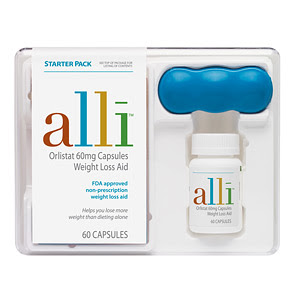
News broke today of a new report on diet pills such as ALLI (the fat busting pill in the windows of almost every chemist and pharmacy in the UK) that suggests these miracle cure super magic bullet diet pills can increase the risk of liver damage.

The FDA (Food and Drug Administration) is investigating reports of liver damage in patients taking diet pills containing the chemical orlistat, an ingredient in the popular over-the-counter drug Alli and its prescription version Xenical says http://admin-healthydiettips.blogspot.com/

While the FDA has not sent out a public warning about the drug, it is looking at reports that 32 cases of serious liver damage have been identified from 1999 to 2008, including six cases of liver failure. All but two of the injuries occurred outside the United States.

"We estimate that since 1999, more than 11 million prescriptions have been dispensed, and we see 32 adverse events around the world. It's a fairly unusual occurrence [for a] very popular drug," an FDA spokeswoman said.

Orlistat blocks the intestines from absorbing fat when taken up to three times a day with meals. The FDA approved Xenical in 1999 for weight management in conjunction with a reduced-calorie diet. Alli, which contains half the dose of orlistat, was cleared for nonprescription use in 2007.

Both drugs are marketed by British drugmaker GlaxoSmithKline, though Xenical is manufactured by Swiss firm Roche.

The makers Glaxo Smithkline (GSK) have dismissed claims that the research proves diet pills such as Alli can cause liver damage, suggesting it's the fact that people are fat that makes them more prone to liver problems, not their miracle diet pills that they say can help fatties lose an extra 1lb a week - 3lb of weight loss per week instead of 2lb weight loss.
London Nutritionist Yvonne Bishop-Weston says "We were invited to help publicise these diet pills when they were first launched but we refused. We are opposed to them - they encourage the notion that people can eat the same unhealthy food and just take a diet pill to stop fat being absorbed into the body. These diet pills also perpetuate the myth that all fat is bad. Some fats are essential. It's too much saturated animal fat and processed vegetable fat in our diets that is the problem. Meanwhile many people actually have a shortage of the essential omega 3 fats and EPA which is needed for the healthy integrity of every cell membrane in the body and especially the body's vital organs such as the brain."

"Don't take these pills - eat more healthily, eat essential nutrient dense food rather than just belly enhancing calorie dense food" is the Nutritionist's message.

London Nutritionist

Nutritionists in London on Nutritionists' Jobs
UK Nutritionists' jobs, nutritionist qualifications, nutrition training courses, salary and other search terms such as these generate more traffic on google than searches for nutritional therapists to be healed. Perhaps by perhaps people looking for a change in career.

London Nutritionist Yvonne Bishop-Weston used to be one of a select few expert clinical nutritional therapists with a clinics in London.

Now there seems to be a nutritionist on every street corner in London, every health food store, every gym, every slimming club seems to think they have an expert in nutrition.

However when it becomes a professional qualification rather than just an extra module bolted on to some other discipline.there is a big difference in what can be achieved.- it's much more than weight loss diets if you are in the right hands.

Nutritional therapists typically tackle a whole range of conditions from infertility, hormonal imbalances, skin conditions, allergies, food intolerance, digestive disorders  such as IBS,. low energy and performance, chronic fatigue, ME, MS, mood swings , effects of stress as well as weight management.

"It's so rewarding when you've transformed someone's life who's bee suffering with IBS for over 20 years or helped a couple to have a healthy baby when they've been diagnosed with inferility. " says Yvonne Bishop-Weston.

for more information see London Nutritionist

5 toxics in the Home

5 toxics that are everywhere: Protect yourself.

Finally the mainstream press has picked up on this story that has been bubbling for many years. Our homes are toxic - a new TV program 'Toxic America' reveals all - here on CNN who report

'A growing body of research is linking five chemicals -- among the most common in the world -- to a host of ailments, including cancer, sexual problems and behavioral issues.

We encounter them every day -- in plastic bottles, storage containers, food wrap, cans, cookware, appliances, carpets, shower curtains, clothes, personal care products, furniture, television sets, electronics, bedding, cushions and mattresses. In short, every room in almost every house in the United States is likely to contain at least one of these chemicals, many of which did not exist a century ago.
They are bisphenol A, or BPA; phthalates; PFOA; formaldehyde; and polybrominated diphenyl ethers, or PDBEs. Tests reveal most of us now carry them in our bodies'
London Nutritionist Yvonne Bishop-Weston reveals, "This is very common knowlege amongst nutrition therapists especially those like myself who do a lot of clinical nutrition work for infertility. One example is we've been campaigning about avoiding using babies bottles and drinking water bottles with bisphenol A, or BPA for some time now. We recommend mud puppy BPA & toxin free drinking bottles made from stainless steel. We even have BPA and Toxin free stainless steel baby bottles." says the nutritionist.

Pregnant Women - 2 Fish or Not 2 Fish

Pregnant women should be allowed to eat more fish - Telegraph

Nutritionists are arguing about the safe limits of fish during pregnancy following new research that supports the idea that too little of the long chain essential fats omega 3 DHA in pregnant women can result in and possibly cause developmental problems.

'Fish consumption among women of child bearing age and girls is currently restricted due to concerns about the presence of potentially harmful contaminants in fish such as dioxins and methylmercury. ' reports The Telegraph


'Speaking at a conference held at the Royal Society of Medicine in London last week, Professor Jack Winkler, director of the Nutrition Policy Unit at London Metropolitan University, said the benefits of fish oil far outweighed other risks. 

He said: "The Food Standards Agency issued advice to women and pregnant women about fish in 2004 which was ultra conservative. Since then, there has been research which indicates that women who have eaten more fish than those recommendations suffer no harm but their child's brain performance improved. 

"The evidence is beginning to show that this ultra conservative advice is effectively denying women the benefits of fish. Worryingly the current advice is scaring women off eating fish completely as the message it gives is that fish is risky."'

London Nutritionist Yvonne Bishop-Weston says there is a 3rd solution to the 2 fish or not 2 fish conundrum. "EPA and DHA is now available as a toxin free sustainable plant based alternative to fish and fish oil. If mother's are worried we can test their levels of DHA and if they are low they can take a combination of Echium Oil, Algae and Omega 7."

V-Pure Algae plant based EPA / DHA omega 3 fish alternative
This DHA rich Algal oil also has some EPA in it. The Algae is grown in steel tanks in a controlled environment and then the essential fats are coaxed out using a unique high tech natural process to allow the production of a concentrated omega 3 DHA rich oil

Echium Oil an omega 3 rich plant based fish oil alternative that converts well to EPA
Echium is a most amazing plant that has naturally ocurring longer chain omega 3 and omega 6 fats. The combination of these two longer chain essential fats means that in studies Echium oil converts to EPA 5 times more efficiently than flax oil.

Omega 7 - Sea Buckthorn Oil
Foods for Life Nutritionist Gareth Zeal has revealed that research suggests that omega 7 - particularly Seabuckthorn oil, which is rich in omega 7, like longer chain omega 6 helps with the conversion pathway and makes it easier for the body to convert shorter chain essential fat omega oils into longer chain essential fats such as EPA and DHA.

So the question is not just fish or less fish, now plant oils are a sustainable, economically viable, safe, effective, toxin free, alternative.

London Nutritionist Yvonne Bishop-Weston and other top Nutritionists in London - Foods for Life Academy of Food

London Nutritionist Yvonne Bishop-Weston and other top Nutritionists in London - Foods for Life Academy of Food.

Foods for Life Health and Nutrition launches The Foods for Life Academy of Food this weekend at The Bristol Eco Veggie Fayre.

"The Kitchen Academy pulled out at the last minute leaving hundreds of school children disappointed so we stepped in to fill the gap" says London Nutritionist Yvonne Bishop-Weston "The more we thought about it the more we thought what a great idea it was for adults too"

Foods for life has been helping Croydon Based Fit Unit to educate kids about healthy eating. Foods for Life now plan to roll this out and offer healthy kitchen secrets to adults with a unique cookery school model.

National Vegetarian Week is New Ice Age

national vegetarian week frozen

Yvonne Bishop-Weston says GET YOUR FIVE-A-DAY WITH FROZEN for National Vegetarian Week

Celebrate National Vegetarian Week this year with frozen fruit and vegetables, picked in season at their peak of quality – and frozen for your benefit and convenience.
Frozen is an easy way of including more fruit and vegetables into your daily meal plan, with little hassle and waste. Available year round, frozen vegetables are bought already peeled and chopped – no preparation necessary – and can be steamed, stir-fried, or microwaved to be ready in minutes!
Freezing is a natural process that does not involve the use of preservatives and takes place just hours after harvest, locking in freshness and nutrients. The popular frozen pea, for instance, has higher levels of vitamin C than its fresh counterpart, which lose nutritional value during transportation.* So not only is frozen as nutritious as ambient produce; buying frozen means that you can buy in bulk, sweetened with the knowledge that the products will not wither away before you have the chance to eat them.
The New Ice Age Harley Street Nutritionist, vegetarian and mom, Yvonne Bishop-Weston says, “Frozen fruit and vegetables are a great way for your family to get their five-a-day. Frozen foods are an essential component to any busy household kitchen, as they offer you year-round access to quality, good value food with an extended shelf life.”
If you’re looking for a quick and easy way to get your five-a-day, blend yourself a cool and refreshing frozen smoothie made from fruits pulled from the freezer (recipe attached)


*Frozen peas contain 20.2mg/100g of vitamin C compared to 14.1 in fresh peas (after two days).
Healthy
o Freezing food locks in vitamins and nutrients often lost in ‘fresh foods’ when left on the supermarket shelf
o Frozen food encourages a balanced diet (i.e. packaged for portion control)
o Freezing in a natural process not requiring preservatives
Tasty
o Food frozen within hours of harvest has a superior taste and texture
Economical / Environmental
o Frozen food reduces waste: important when average cost of food has increased by around 7% in the past year. Frozen food is good value.
o Freezing food enables people to enjoy all types of food throughout the year, regardless of season (reducing costs and carbon output caused by importation)
o It is typically less expensive to purchase a frozen ‘ready meal’ than all the ingredients required to produce the same product
Convenient
o There is a growing consumer demand for products that east the effects of their increasingly busy lifestyles and the consequent constraints on food preparation and shopping time.

Broccoli May Help Battle Breast Cancer

Broccoli May Help Battle Breast Cancer:

"It appears if you repeat a truth often enough it becomes a fact" says expert London Nutritionist Yvonne Bishop-Weston following a new study published on the benefits of broccoli

May 2010 ( Clinical Cancer Research)

A compound derived from broccoli appears to be able to kill breast cancer stem cells, which help tumors grow, according to a new study. But it's too soon to know if the compound would work in people. And the amount tested is larger than the amount people could consume in their diet.

"Tests on human breast cancer cells in the laboratory resulted in decreases in cancer stem cells" reported study co-author Duxin Sun, an associate professor of pharmaceutical sciences at the University of Michigan College of Pharmacy and Dr. Max S. Wicha, an oncology professor and director of the university's Comprehensive Cancer Center, and a study co-author.

2002

Way back in 2002 a doctor speaking at the American Institute for Cancer Research on diet and nutrition, Paul Talalay, MD, from Johns Hopkins University in Baltimore, Md., said that cauliflower and broccoli contain a compound that increases an enzyme called sulforaphane in the body. This enzyme helps protect cells and prevents their genes from turning into cancer.

2000

"Men who eat plenty of green vegetables, such as cabbage and broccoli, can lower their risk of prostate cancer by 41 percent" said study co-author Jennifer Cohen, PhD, MPH, of the Fred Hutchinson Cancer Research Center in Seattle.
Dr. Cohen and her colleagues evaluated the total fruit and vegetable consumption of 1,230 men between the ages of 40 and 64 and found men who ate three or more servings of vegetables a day had a 35 percent lower risk of prostate cancer, compared with men who ate fewer than two servings per day. Of the men studied, half had been diagnosed with prostate cancer and half were randomly selected.

processed meat a real health risk

no fear as 2 men celebrate national vegetarian week
Study suggests processed meat a real health risk | Reuters:

As National Vegetarian Week kicks off a well timed new study highlights processed meat as the culprit for ill health.

London Nutritionist Yvonne Bishop-Weston said today "This study was an analysis of other research called a meta-analysis, which, because of the nature of studies trying to prove an argument one way or the other, notoriously come out as you'd expect with average neutral findings. Also the study did not look at high blood pressure or cancer, which are also linked with high meat consumption. So it's interesting that although unprocessed meat escaped condemnation we are still left in no doubt no matter how you cook the books processed meat is bad for health"


"To lower risk of heart attacks and diabetes, people should consider which types of meats they are eating," said Renata Micha of the Harvard School of Public Health, the author of the study that appears in the journal 'Circulation'. "Processed meats such as bacon, salami, sausages, hot dogs and processed deli meats may be the most important to avoid," Micha said in a statement.


Based on her findings, she said people who eat one serving per week or less of processed meats have less of a risk.

She and colleagues did a systematic review of nearly 1,600 studies from around the world looking for evidence of a link between eating processed and unprocessed red meat and the risk of heart disease and diabetes.

They found that on average, each 1.8 oz (50 grams) daily serving of processed meat a day, one to two slices of processed deli meats (such as ham), or one hot dog,was associated with a 42 percent higher risk of heart disease and a 19 percent higher risk of developing diabetes.

National Vegetarian Week finishes in Bristol with a Meat Free Sunday at the Bank Holiday Weekend festival http://admin-healthydiettips.blogspot.com/


Related Posts with Thumbnails